
Not feeling like yourself in menopause? Why it happens and what helps
“I’ve lost my mojo. I don’t recognise myself anymore.”
We hear this all the time.
Hot flushes and night sweats are rarely what bring women to our clinic. It’s this feeling of just not being themselves.
Often, women are already on HRT and may have had some benefit from oestrogen and progesterone. Sometimes HRT needs further optimisation. But even then, something still doesn’t feel quite right.
They feel like they are existing rather than living. Their sexual desire has gone. They feel tired, flat, achy. Their spark has gone.
Why you might not feel like yourself in menopause
For many women, this stage of life isn’t defined by one symptom, but by a general sense of change.
Energy levels can drop. Sleep may become lighter or more disrupted. Mood can feel flatter or more irritable. Motivation and confidence can shift.
These changes are often linked to hormonal fluctuations, but they don’t always follow a clear or predictable pattern.
It can be difficult to put your finger on exactly what’s wrong - just that you don’t feel like yourself.
It’s rarely just one thing
Loss of desire or loss of spark is rarely caused by a single factor.
Stress, poor sleep, relationship strain, discomfort during sex, vulval and vaginal dryness, and changes in body confidence can all play a role.
These factors often overlap, making symptoms feel more complex and harder to untangle.
This is why a menopause consultation should never be a quick prescription. It should be a conversation.
Why reviewing the basics matters
Before focusing on hormones alone, it’s important to go back to basics.
Screening blood test are important, as other things can go wrong with us at this time, such as low iron, under active thyroid etc. These can all contribute to and should be ruled out.
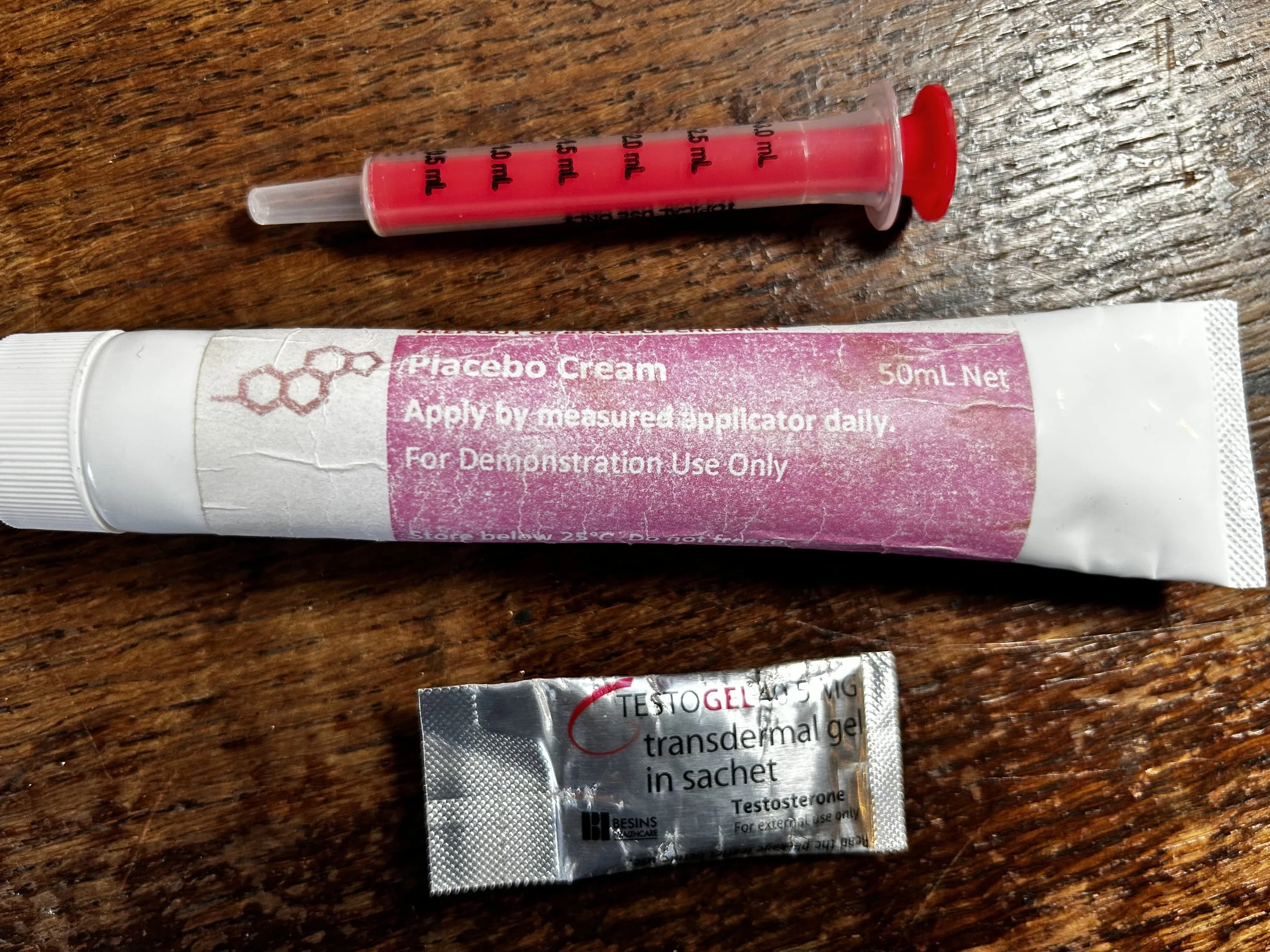
When testosterone might be part of the picture
But when these factors have been explored, blood tests are reassuring, and testosterone levels are low, this can sometimes be the missing piece of the puzzle.
A low testosterone level, doesn't mean you need to have testosterone. Symptoms are always more important than any lab result.
However, when low testosterone levels sit alongside low libido, lost mojo, tiredness etc, should lead to a conversation about whether testosterone replacement is something to consider.
Is testosterone right for everyone?
Not all women who take testosterone benefit but many do. It is especially important for women who are young when go through menopause and for women post surgical menopause, where testosterone replacement can make the biggest of differences.
Women and doctors worry about testosterone side effects but in practice these are very mild, such as darker hair growth where you apply the cream/ gel and these can be minimised.
When to seek support
If this resonates with you, it may be a sign that your symptoms would benefit from a more personalised review.
If you’re not feeling like yourself, or feel that something is still missing despite treatment, it’s worth exploring this further.
We’ve created a detailed resource on testosterone to help you understand the evidence, potential benefits and risks.
And if you would like support, we would be very happy to help you work through your symptoms and treatment options in a structured, personalised way.
How we can support you
At Lemala Health, we offer personalised menopause care, with time to properly explore your symptoms and create a plan that works for you.
If you would like support, you can explore appointments here.
Drs Emma & Mari.
Lemala Health
The information shared in this blog is for general educational purposes only and is not intended as individual medical advice. If you have concerns about your symptoms or treatment, please seek advice from your own GP or a qualified healthcare professional.
Written by Dr Mari Walling, British Menopause Society Registered Specialist, GP and Accredited Lifestyle Medicine Physician. Co-founder, Lemala Health. February 2026